Blog

Sternum Stabilization Prevents Pain

Sternum Stabilization Prevents Pain

Experiencing pain after open heart surgery is unavoidable. Everyday activities such as getting dressed or getting in and out of a car become frustrating and exhausting. Not to mention these tasks put stress on the surgical wound site.

There are few options available to patients in the way of pain management. The first and most obvious are pain medications such as Oxycodone, Vicodin and Demerol. These types of medications are often used primarily for in-patient treatment. Once the patient is discharged, patients often have to rely on ibuprofen, Tylenol or Celebrex. These medications do come with side effects such as upset stomach, dizziness and ulcers to name a few.


Managing Pain After Cardiac or Thoracic Surgery

Managing Pain After Cardiac or Thoracic Surgery

The difficulties of managing pain after surgery can be a stark reality, especially after undergoing cardiac and thoracic surgery. Suddenly, simple tasks turn into painful endeavors. Who knew that making the bed could hurt so badly? We often end up resorting to minimizing our movements to keep from feeling all of those aches and pains.

But why limit your mobility when you don’t have to? With a Heart Hugger, you can get back to doing those everyday tasks without being punished with pain.

Preventing Sternal Dehiscence

prevent Sternal Dehiscence

One of the unfortunate side effects of having heart surgery is the long and arduous recovery process that immediately follows the procedure. For some, this recovery process is easier than expected and health returns after a few weeks. For others, there are complications that are associated with recovery. One of these complications is known as sternal wound dehiscence, or the reopening of the sternal wound. Heart Hugger was invented, among other things, as a way to prevent sternal wound dehiscence and providing postoperative sternal support to patients recovering from heart surgery. 

Promote Healing with a Postoperative Bra

Woman wearing Postoperative Bra

If you or someone you love is recovering from thoracic surgery, it is possible to experience greater comfort and pain management with the use of a Postoperative Bra which offers complete wound support. This device also contributes to a quicker return to pre-operative respiratory function, because when the patient's pain levels are reduced they are more willing to exercise their lungs.

Here are some of the benefits provided by a Post-operative Bra

  • Tension on the incision site is eliminated by the immediate support gained from a post-operative bra. Healing is promoted when the weight and movement of breast tissue is contained and supported. Postoperative Bras reduce the risk of wound complications because they support breast tissue, thus prohibiting any pulling on sternotomy wounds.

What to Expect For Cardiac Rehab After Heart Surgery

Cardiac Rehab expectations

Heart surgery is a process that can take months to recover from. Heart Hugger is specifically designed to provide comfort, accelerate healing, and provide relief overall to the chest. Recovery is by far the most important part, so we have listed some things to expect in the hospital, at home, and long-term care that will help you prepare for what is to come. 

The Society of Thoracic Surgeons 51st Annual Meeting

thoracic surgery

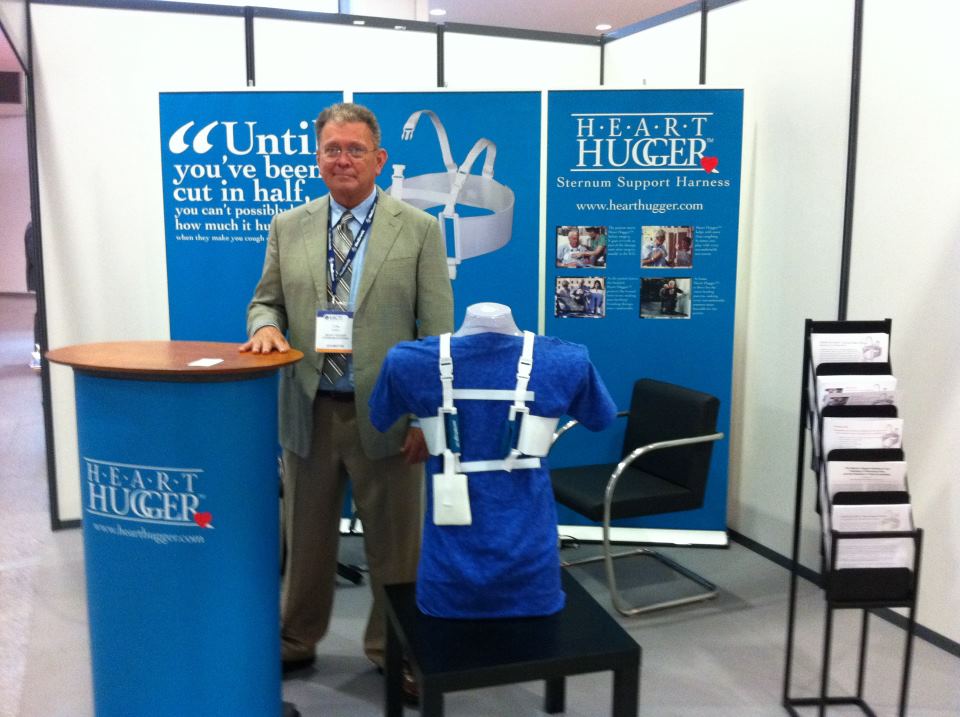
We're excited to be exhibiting at the Society of Thoracic Surgeons 51st Annual Meeting in San Diego, California. Ready to see how Heart Hugger can help your patients recover faster from thoracic surgery? Have questions about how to use or order Heart Hugger? Maybe you've heard that Heart Hugger and the Surgi Support Vest has helped patients become more mobile and compliant with their therapy after surgery?

How to Properly Use your Heart Hugger Device

About Heart Hugger

If you are considering a postoperative sternal support device to aid in the recovery of an upcoming cardiac surgery, then you certainly have a few options to choose from. When it comes to cardiac surgery rehabilitation, a device that keeps your sternal wound stable while you cough, move, or sneeze can really help in preventing wound dehiscence and other complications. One of the best devices to aid in this is the Heart Hugger device, designed to keep a patient comfortable during his or her recovery from heart surgery.

Surgi Support Vest is Designed for Women

Postoperative Bra

When we talk in terms of postoperative sternal support, we, of course, need to include women in the conversation. Cardiac surgery can be a necessity for everyone, and that means that everyone who undergoes a cardiac procedure will need to practice good habits during cardiac surgery rehabilitation. The problem with having a regular Heart Hugger for women is the fact that it does not take into account some of the anatomical features of women. For this reason, we provide the Surgi Support Vest that is designed specifically for women recovering from a cardiac procedure.

The Creation of Heart Hugger

heart hugger logo

Heart Hugger has been providing sternum support for cardiac and thoracic surgery patients for over twenty years. Because of this amazing invention, the success rates of postoperative success have risen exponentially. Testimonials all over the nation are giving their input on how Heart Hugger benefited them with their recovery.

So what how was this wonderful creation invented? The questions of who, what, where, when and why are answered below:

The History of Sternal Dehiscence

Sternal Dehiscence

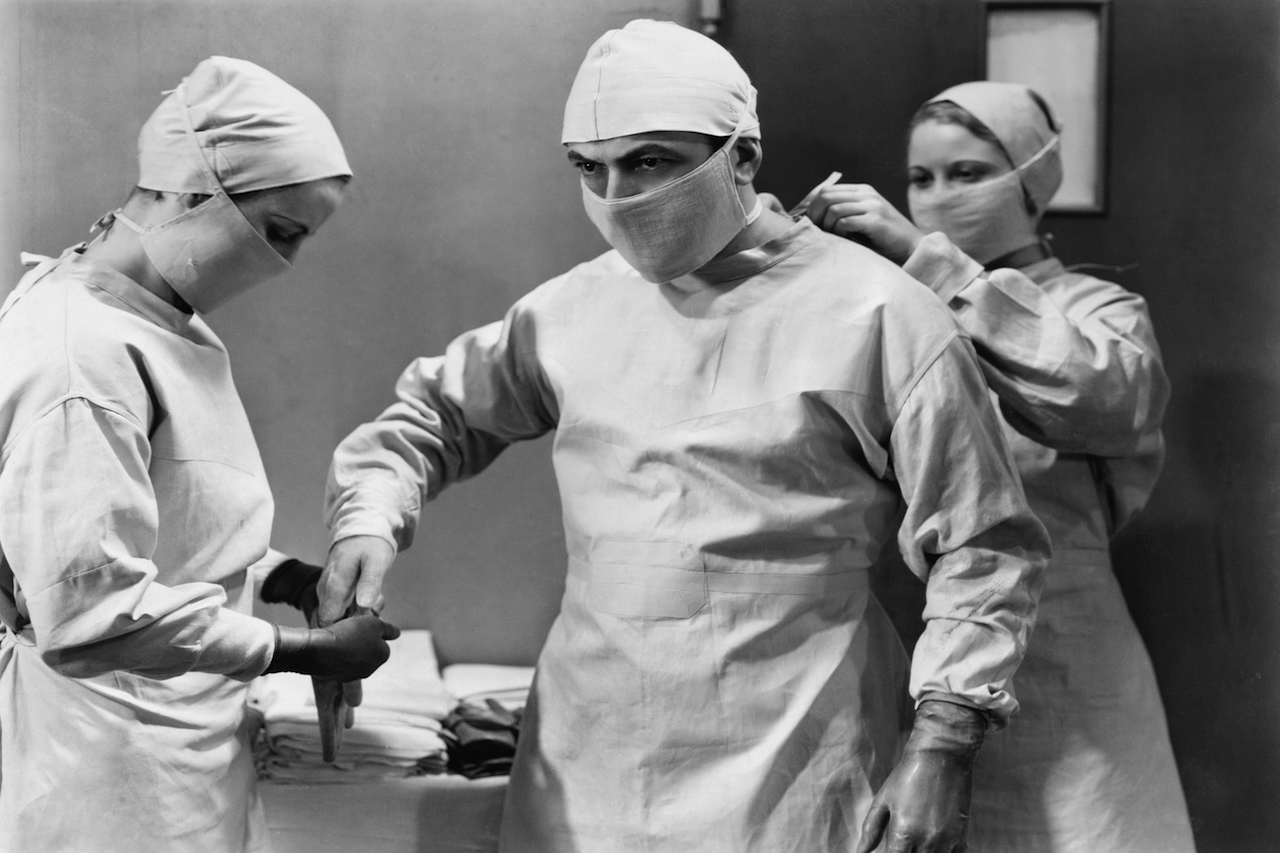
The midline sternotomy made its entrance into the clinical world, but not without complications. Sternal infection was on the rise. Sternal dehiscence was treated with open drainage and debridement with packing. Results included complications like graft exposure, desiccation of wound margins, osteomyelitis, and death. In 1963, Shucker and Mandelbaum introduced closed management with catheter-antibiotic irrigation. Survival rates increased, but they were still pretty slim. With the mortality risks, there was great desire to discover better wound care.

Changes in Management

First of all, sternal instability was causing mediastinal infections of the wounds. The surgeon must take the time to use the meticulous technique when doing a sternotomy. Proper placement reduces the risks of mediastinitis.

Pages

Subscribe to RSS - Blog